★ The impulse to act in activities
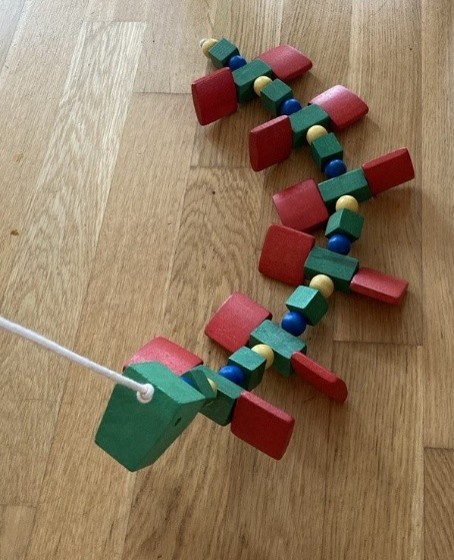
The step of accepting and aligning to an impulse to act is often perceived as difficult. It requires a certain amount of creativity to think outside the usual framework. Many of the impulses to act seem to point to a relationship between people, which is why acceptance is sought within the same sphere. If, for […]
Expressing the impulse to act through music
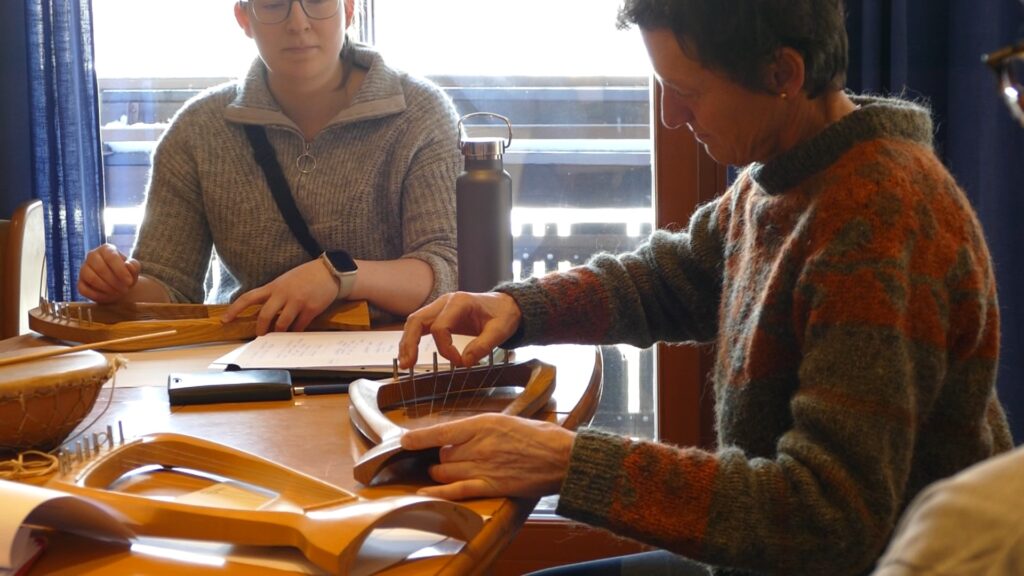
The impulse to act can be expressed not only in words, but also through drawing or music. This opens up a new, non-verbal way of communicating with one another about the impulse to act. To represent the impulse to act musically, you naturally need musical instruments. The most suitable instruments are those that are easy […]
One’s own form of expression
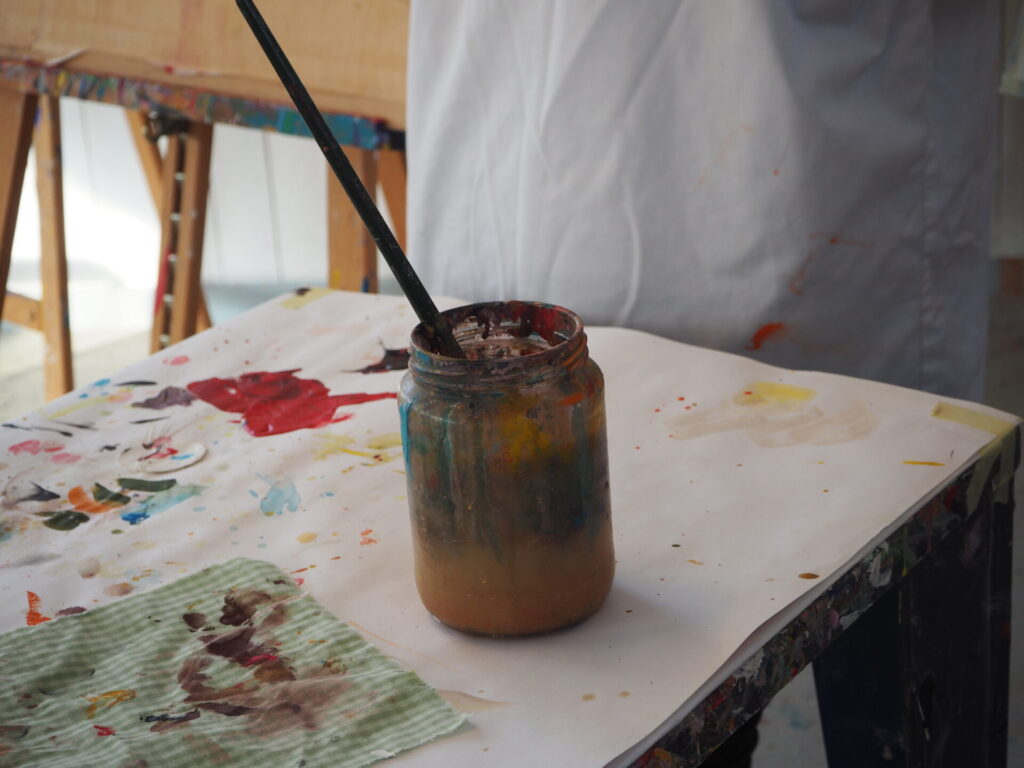
We have already seen in the window ‘The Self and the Other’ that the self is always expressed in the impulse to act drawings. This can appear even more specifically as per the following example The exercise To identify the impulse to act, we imitated a person’s movements by walking behind them. The task was […]
★ The Self and the Other

As described in the window above, the impulse to act can be represented not only with verbs, but also through drawings and paintings. This enables a non-verbal form of communication about the impulse to act. Drawings are individual representations that always contain the self of the artist. This becomes apparent when one compares a person’s […]
Drawing the impulse to act
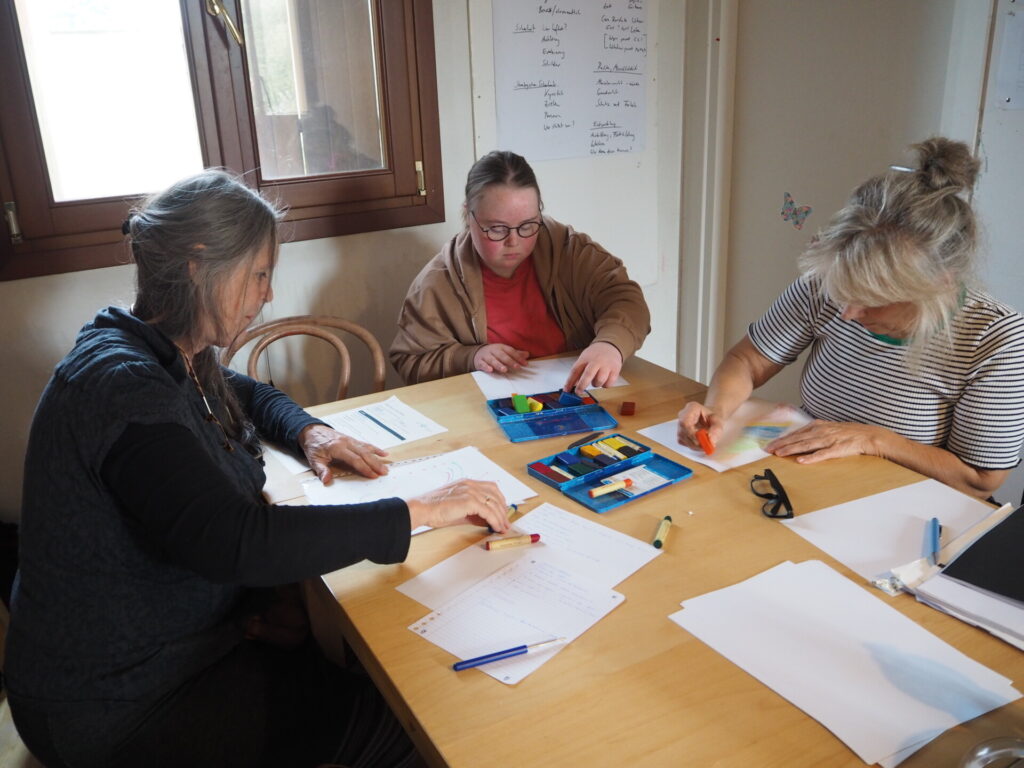
You can express the impulse to act not only with words, but also through drawing or painting. This opens up a new way of communicating about the impulse to act. Once you have already identified the impulse to act using verbs, the next step is to connect with it artistically. All you need are paper […]
★ The impulse to act of things
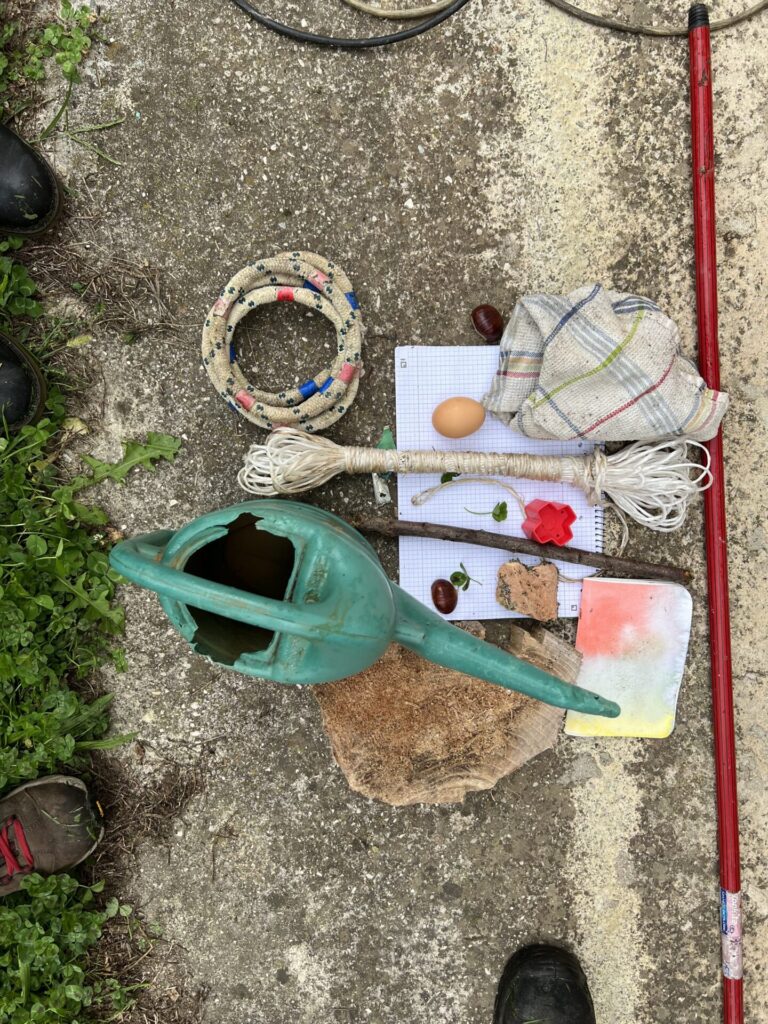
Everything in the world has a will. Even the chair The chair has the gesture of ‘carrying while embracing’. What makes the chair a chair is the activity that the chair performs, even though it stands still. One only notices this when one actively enters into a relationship with the chair by sitting on it. […]
★ Imagine the impulse to act with a profession
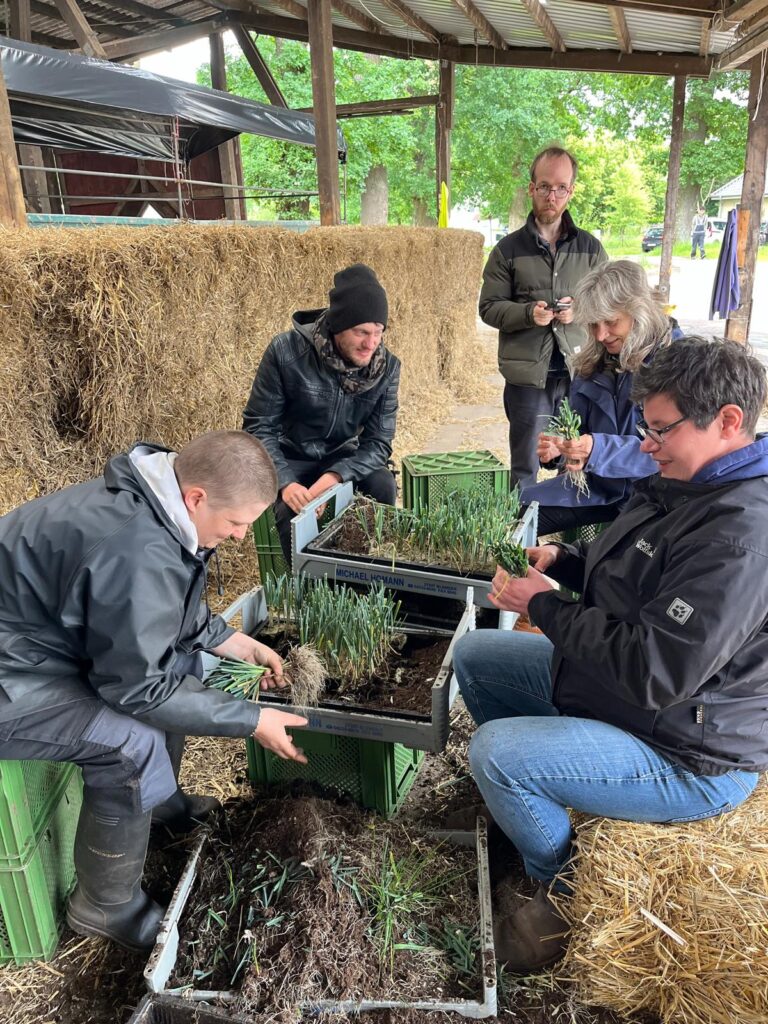
One can express a person’s experience of the impulse to act in an image of a profession or a picture of a work situation. The professional profile is not a job recommendation. It serves only to illustrate the experience of the impulse to act. This step helps to recognise the qualities of the impulse to […]
★ Putting the impulse to act into words
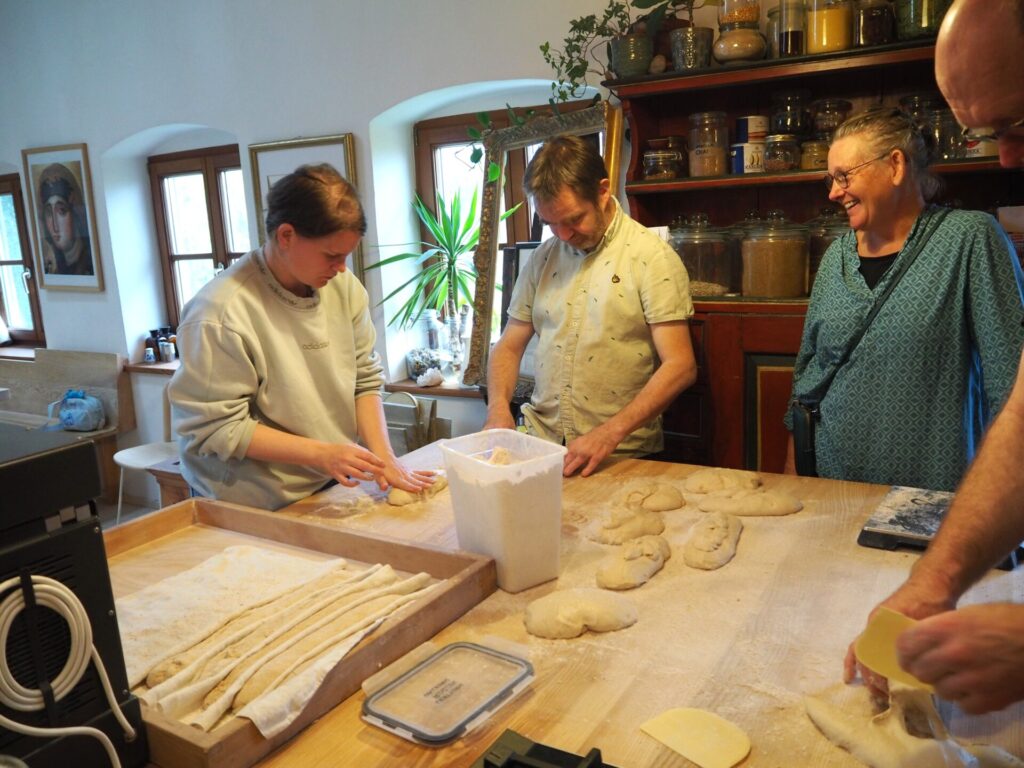
The Inclutrain methods are about experiencing the impulse to act and expressing this experience in order to gain new inspiration for working with people who need support. What one has experienced through perceiving while empathising – that is, the impulse to act – can be described using two verbs. Now you might say, in surprise: […]
The individual way of acting
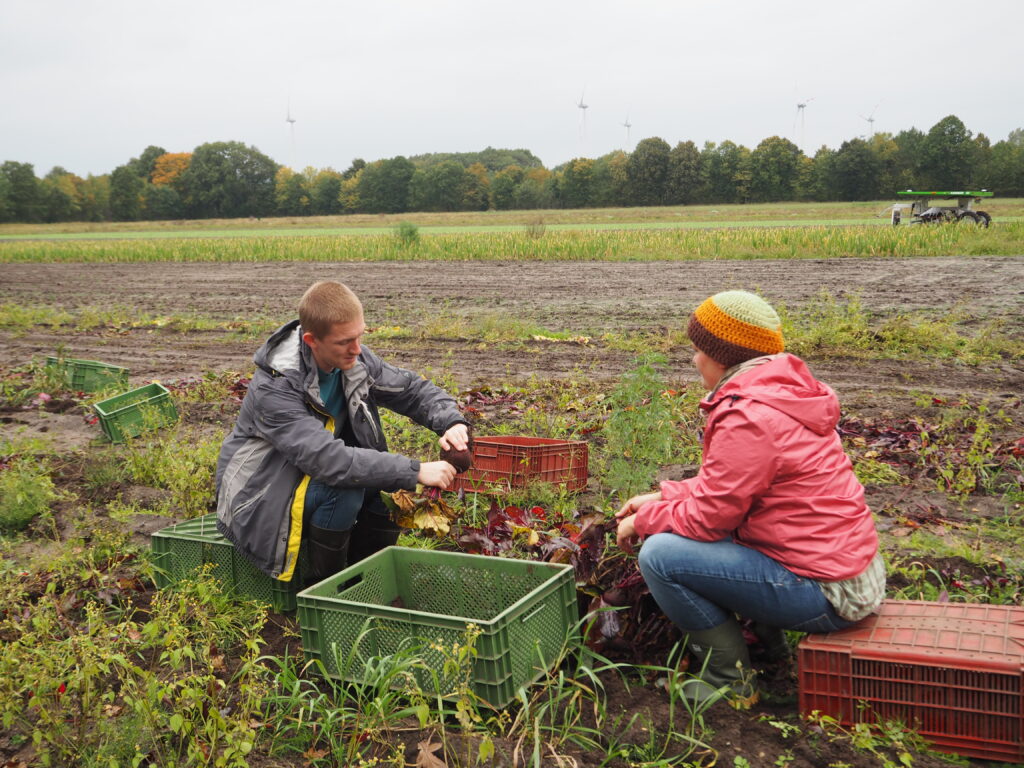
Through empathetic perception, we experience a person’s impulse to act – that is, their individual way of acting. A person’s impulse to act is expressed in every activity. That is why any activity can be used to discover this impulse. When several people perform the same activity, it becomes clear that each does so in […]
Empathetic Perception
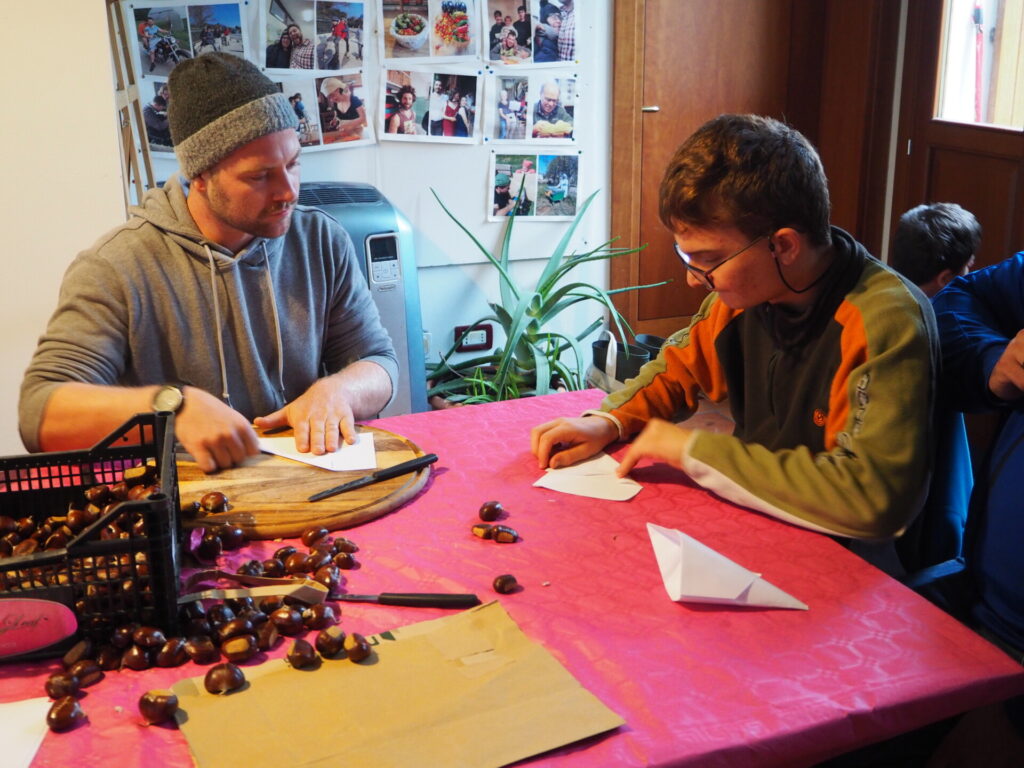
The foundation of the Inclutrain methods is empathetic perception. This involves putting oneself in the other person’s shoes, in the way they act. In doing so, one’s own will encounters the will of the other. This is easiest to achieve when carrying out an activity together and imitating the other person in the process. Any […]